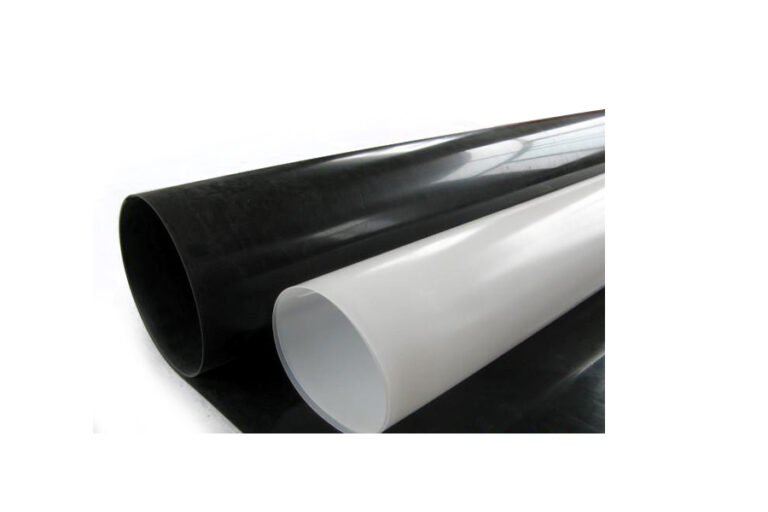

A geomembrane may look like a simple layer of plastic when it arrives at a construction site. Once installed, however, it becomes an important part of the project’s waterproofing system. Whether it is used in a landfill, irrigation canal, reservoir, or tailings pond, the membrane is expected to prevent liquid from passing through the ground beneath it.
Problems do not always appear immediately. A liner may pass the initial inspection but develop damage later because of poor material quality, ground movement, chemical exposure, or defective welds. By the time leakage becomes visible, locating the problem and carrying out repairs can be expensive.
For this reason, choosing an HDPE geomembrane should involve more than comparing prices. The material itself, its manufacturing quality, and the conditions under which it will be installed all deserve attention.
Why Does Raw Material Quality Matter?
Two geomembranes may look almost identical when rolled out on the ground. That does not necessarily mean they will perform the same way over time.
The polyethylene resin used in production has a direct influence on the properties of the finished membrane. Additives and manufacturing conditions also matter, particularly when the liner will be exposed to sunlight or demanding environmental conditions.
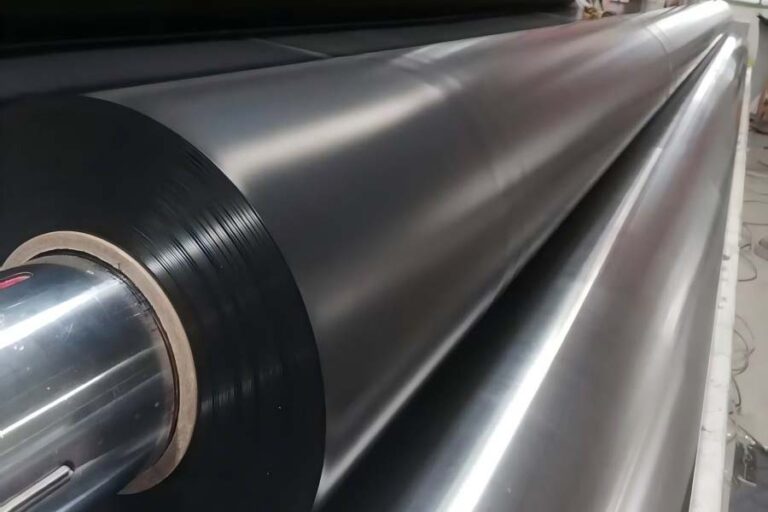
Jiantong Geomembrane uses polyethylene resin from established supply channels and applies internal standards to additive proportions. Incoming raw materials are inspected before production rather than being accepted solely on the basis of supplier documentation.
This attention to raw materials is important for projects that require consistent material properties across multiple deliveries. For contractors purchasing geomembrane in large quantities, differences between production batches can complicate installation and quality acceptance.
When comparing HDPE geomembrane manufacturers, it is therefore worth asking about raw material control, production inspection, and the availability of relevant test reports.
Mechanical Strength Is Tested on the Construction Site
A geomembrane rarely has a perfectly smooth environment to work in. Even after site preparation, small stones, uneven surfaces, construction activities, and ground movement can create stress on the liner.
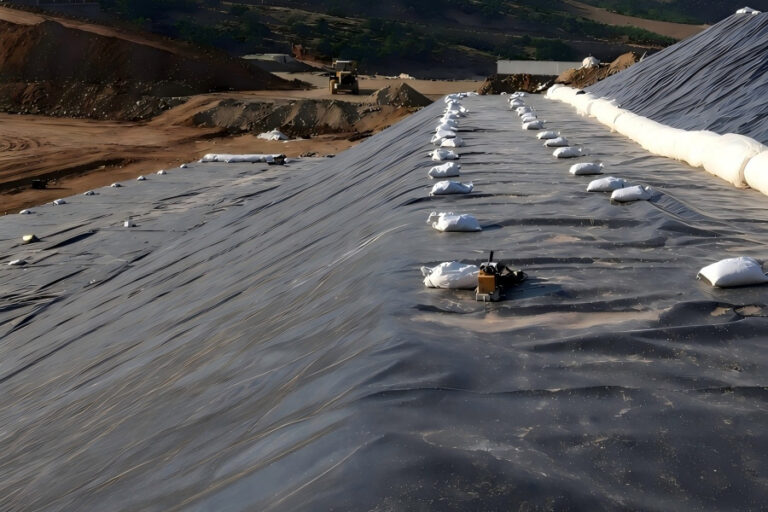
Consider a landfill project. The membrane may be installed over a prepared subgrade and later covered with protective layers and waste materials. If the underlying surface contains sharp objects, localized pressure can increase the risk of puncture.
This is why several mechanical properties need to be considered when selecting an HDPE geomembrane liner:
- Tensile strength indicates how the material responds to pulling forces.
- Tear resistance helps assess its ability to withstand tearing.
- Puncture resistance is relevant when the liner encounters localized pressure.
- Elongation provides information about how much the material can stretch before breaking.
Jiantong HDPE geomembrane is developed with attention to these properties, while maintaining flexibility for installation and certain ground movements.
The actual specification should still be selected according to the site investigation and engineering design. A liner intended for a water reservoir may not have exactly the same requirements as one used in a landfill or industrial containment project.
Chemical Exposure Should Be Considered Before Installation
Waterproofing projects do not always involve ordinary water. In landfills, the liner may come into contact with leachate. Industrial wastewater projects may involve acidic, alkaline, or salt-containing liquids.
A material that is suitable for one environment should not automatically be assumed suitable for another.
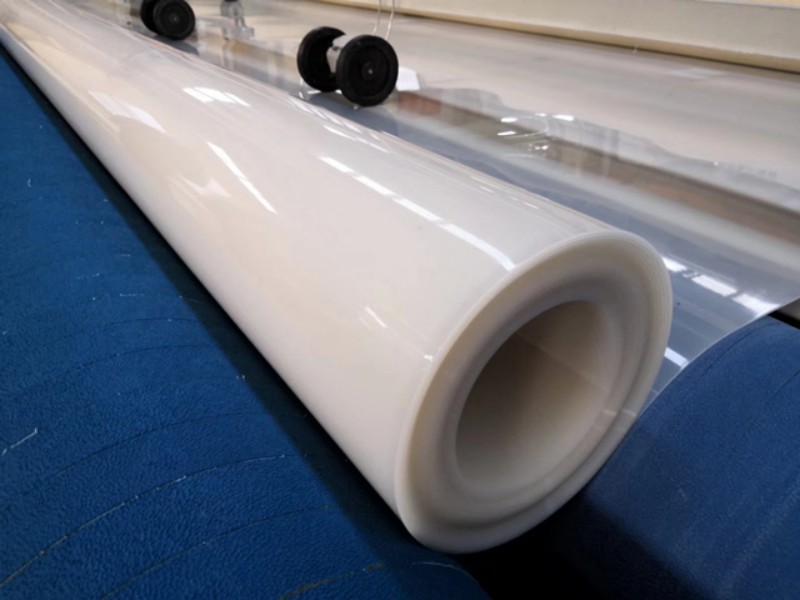
HDPE geomembranes are widely used in containment applications because of their resistance to many chemical substances. Jiantong HDPE geomembrane is designed to withstand exposure to acidic and alkaline media as well as salt solutions.
For a project involving industrial wastewater or landfill leachate, the chemical composition of the liquid should be reviewed before selecting the membrane. Concentration, temperature, and exposure duration can all affect material compatibility.
This is especially important for long-term containment facilities, where replacing a damaged liner may involve draining the facility, removing overlying materials, and interrupting normal operations.
Outdoor Projects Need to Account for UV Exposure
Not every geomembrane is covered immediately after installation. Reservoirs, artificial lakes, and certain irrigation projects may leave sections of the liner exposed to sunlight.
Continuous UV exposure can gradually affect polymer materials. Over time, this may contribute to aging and changes in mechanical properties.
Jiantong incorporates UV-resistant additives into its HDPE geomembrane formulation to help slow this process.
For engineers planning outdoor installations, UV resistance should be considered alongside the expected exposure period and project design. It is also important to confirm whether the liner will remain exposed permanently or receive a protective covering after installation.
These details help determine which material specification is appropriate for the actual working environment.
The Quality of Welding Can Make or Break a Liner System
One issue that deserves particular attention during construction is seam welding.
Geomembranes are generally supplied in rolls or panels. These sections must be joined on-site to create a continuous barrier. Even when the membrane itself meets the required specifications, poorly executed seams can become potential leakage points.
Before installation, the subgrade should be properly prepared and inspected. During laying, workers need to avoid unnecessary dragging, sharp objects, and excessive folds. When welding begins, equipment settings and working conditions should follow the material manufacturer’s recommendations.
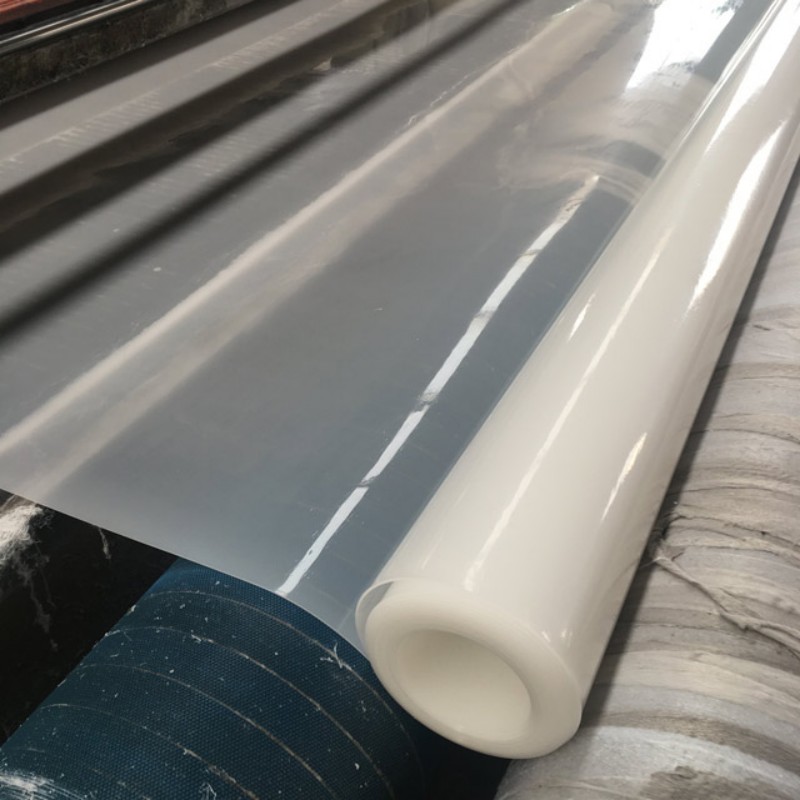
Jiantong HDPE geomembrane is designed to support cutting, positioning, and thermal welding during installation. However, the final seam quality still depends on the welding equipment, operator experience, and site conditions.
For contractors, checking welded seams before covering the membrane is a necessary part of construction quality control. It is much easier to identify and repair a problem while the liner remains accessible.
Quality Inspection Should Continue Beyond the First Delivery
For large projects, purchasing geomembrane is rarely a one-time decision involving a few rolls. Multiple production batches may be delivered over an extended construction period.
If the material specifications are inconsistent or the supporting documentation is incomplete, project acceptance can become more difficult.
Jiantong Geomembrane carries out batch inspections and maintains traceable quality information for its products. Its technical team also provides assistance with material selection and installation-related questions.
This support can be useful when contractors need to confirm product specifications, discuss welding practices, or address practical questions during construction.
Choosing HDPE Geomembrane for Different Engineering Applications
The requirements of a geomembrane depend heavily on where it will be used.
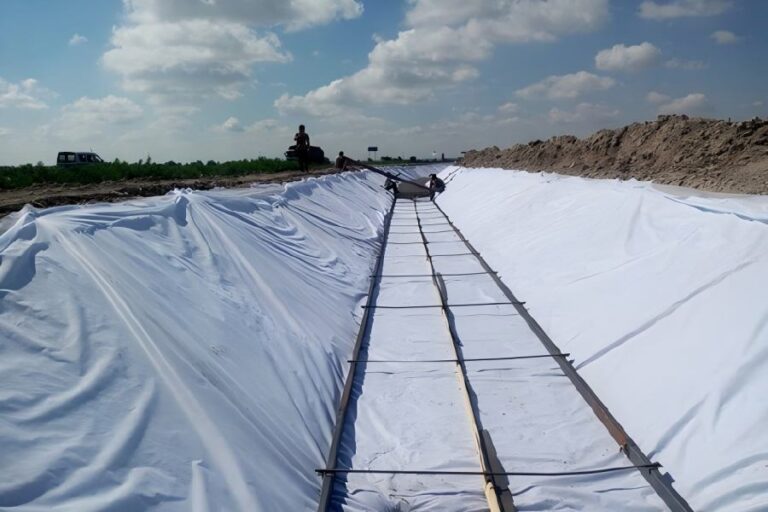
In landfill projects, chemical compatibility and puncture resistance are important considerations. For irrigation canals and water reservoirs, water retention and installation along slopes are key concerns. Tailings facilities may require a more detailed assessment of site conditions, liquid characteristics, and containment design.
Jiantong HDPE geomembrane is used in applications including landfills, reservoirs, irrigation canals, artificial lakes, and tailings facilities.
Rather than choosing a product based only on its general description, project owners should provide the manufacturer with information about the application, site conditions, and required technical specifications. This makes it easier to determine whether the proposed membrane is suitable for the project.

Final Thoughts
A geomembrane is expected to remain out of sight for much of its service life. That makes material selection and installation quality particularly important. Once the liner is covered, repairing defects can involve considerable time, labor, and additional construction costs.
For waterproofing projects, the practical approach is to evaluate raw materials, mechanical properties, chemical compatibility, UV resistance, and welding requirements together.
With more attention to these details, Jiantong Geomembrane aims to provide HDPE geomembrane products and technical support for different containment and waterproofing applications. A well-planned liner system starts with suitable materials and continues with careful construction.