
A geotextile order does not end when the materials leave the factory. During an engineering project, buyers may need help confirming product specifications, arranging deliveries, preparing inspection documents, or resolving installation questions. If the supplier is difficult to reach at these stages, even a competitively priced order can become a source of unnecessary delays.
This is why choosing a geotextile supplier should involve more than comparing prices and production capacity. The quality of technical support can influence how smoothly materials move from procurement to on-site application.
Good Material Selection Starts with Understanding the Project
Geotextiles serve different functions in civil engineering, including separation, filtration, drainage, reinforcement, and protection. Each application places different demands on the material.
A road construction project may require suitable tensile strength and puncture resistance, while a drainage system needs a geotextile with appropriate filtration and permeability characteristics. In riverbank protection or slope engineering, the selection may also depend on soil conditions, water flow, and installation methods.
Simply choosing a product based on its weight or unit price can lead to unsuitable specifications. A professional geotextile manufacturer should understand the application before recommending a product. Reviewing project drawings, site conditions, and relevant technical requirements helps buyers make more informed decisions and avoid unnecessary material costs.

What Happens After the Order Is Confirmed?
Production and delivery are often overlooked when evaluating supplier services. However, large engineering projects depend on materials arriving according to the construction schedule. A delay in one delivery can affect several connected work stages.
Reliable suppliers should communicate clearly about stock availability, customized specifications, production lead times, and transportation arrangements. For bulk orders, buyers also need to understand how production batches are managed and whether the required specifications can be maintained throughout the order.
This is where a manufacturer’s direct involvement becomes valuable. When buyers can communicate with the production team, questions about product specifications, order progress, and delivery arrangements are easier to coordinate. Before shipment, checking roll labels, quantities, and batch documents also helps prevent problems during material acceptance.
Why Does On-Site Technical Guidance Matter?
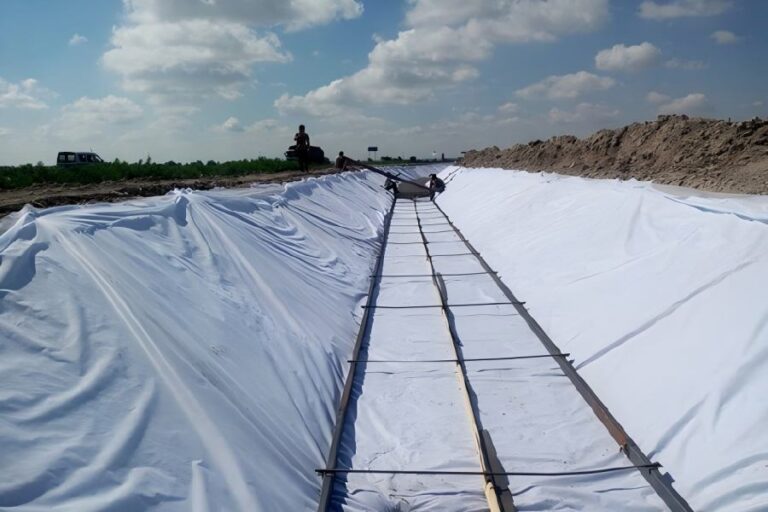
Geotextile installation may look simple, but the details can affect the performance of the entire system. Overlap width, laying direction, subgrade preparation, and connections with other materials all need to follow the engineering requirements.
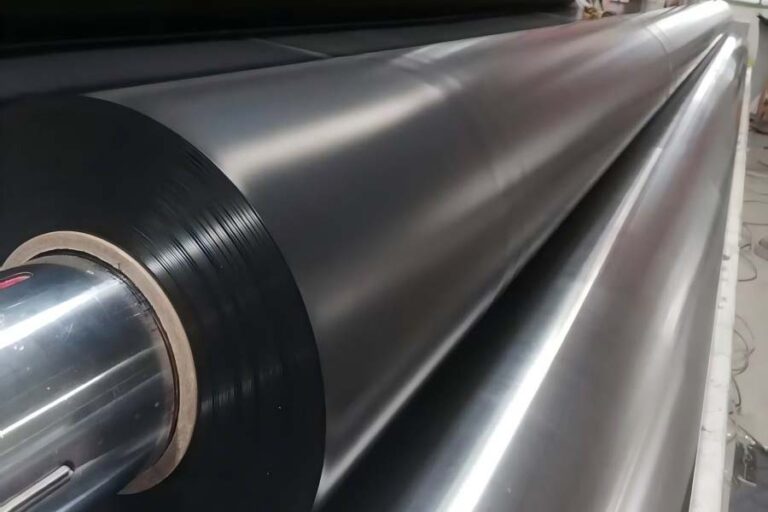
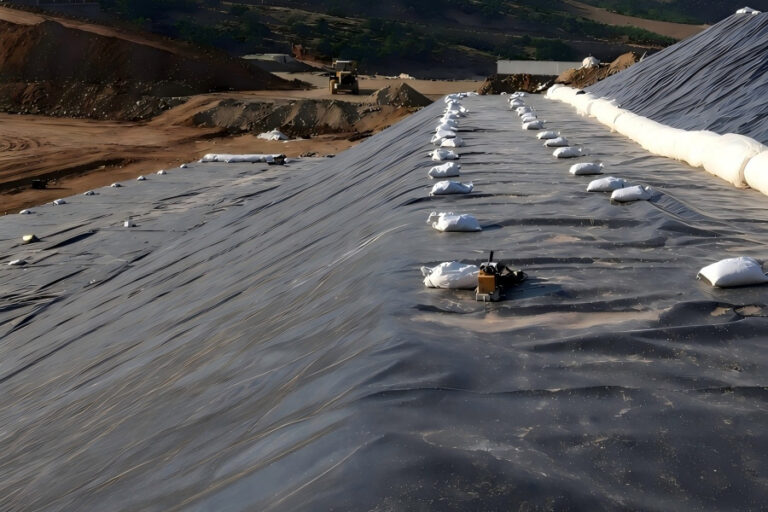
For example, geotextiles used in filtration systems must be compatible with the surrounding soil and drainage structure. When installed alongside geomembranes, they may provide protection or separation depending on the project design. On slopes, fixing methods and installation sequences require particular attention.
Without adequate technical communication, construction teams may misunderstand product requirements or overlook important installation details. A knowledgeable geotextile supplier can help explain material characteristics, answer technical questions, and provide guidance on common installation issues.
For more complex projects, remote technical discussions or on-site assistance may also be useful. Such support does not replace engineering supervision or approved construction specifications, but it can help contractors coordinate material use more effectively.
Quality Documents Are Part of the Service
Another important aspect of supplier support is documentation. For projects involving water conservancy, municipal infrastructure, or environmental protection, geotextile materials may need to pass incoming inspection before installation.
Buyers should confirm whether the supplier can provide product specifications, certificates of conformity, and relevant test reports. Depending on the application, inspection may involve mass per unit area, tensile strength, elongation, puncture resistance, and permeability.
Batch identification is equally important. When reports and certificates can be matched to the corresponding products, contractors can organize acceptance procedures more efficiently and respond to documentation requests from project supervisors.
A reliable geotextile factory should be prepared to explain its inspection procedures and clarify what documentation can accompany each shipment.

Jiantong: Connecting Manufacturing with Project Support
As a geosynthetic materials manufacturer based in Dezhou, China, Jiantong produces geotextiles, geomembranes, composite geomaterials, and other products used in infrastructure and environmental engineering.
Its service approach covers more than product supply.
During the pre-sales stage, Jiantong’s team can discuss project drawings, application conditions, and material specifications to help buyers evaluate suitable products. Customers can request samples, arrange factory visits, and obtain relevant qualification and quality documents for procurement or tender requirements.
After an order is confirmed, the team coordinates production schedules, customized specifications, and delivery arrangements. Production updates can help buyers follow order progress, while roll labels and batch documentation are checked before dispatch. Transportation can be arranged according to the project location and delivery requirements.
Technical communication continues during installation and acceptance. Jiantong’s engineering personnel can answer questions about geotextile laying, overlap treatment, filtration applications, and coordination with geomembranes. Remote discussions are available for project communication, while on-site guidance can be discussed for projects with specific requirements. Relevant product certificates and test reports can also support material inspection.
For buyers evaluating geotextile suppliers, this combination of manufacturing capabilities and project support provides a more complete basis for comparison.
Before You Choose a Geotextile Supplier
Rather than focusing only on the quoted price, take time to confirm how the supplier handles the entire order. Ask whether it can recommend materials based on actual site conditions, provide samples and inspection documents, communicate production progress, and respond to technical questions during installation.
It is also worth clarifying delivery schedules, customized order requirements, warranty coverage, and the scope of technical assistance before signing the contract. For large projects, these details should be clearly documented to avoid misunderstandings later.
Better Support Makes Procurement More Predictable
A suitable geotextile is essential, but reliable service helps ensure that the material is selected, delivered, inspected, and used according to project requirements. Technical support reduces communication gaps between buyers, manufacturers, and construction teams, making procurement easier to manage.
With its geotextile and geomembrane product range, manufacturing capabilities, and project-related technical communication, Jiantong provides an option for buyers seeking geosynthetic materials and coordinated support. Before making a purchasing decision, discuss your project conditions and technical requirements directly with the supplier.