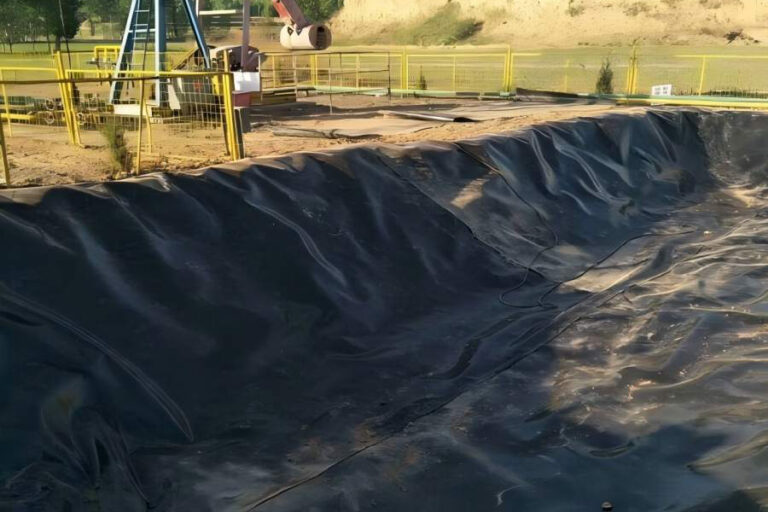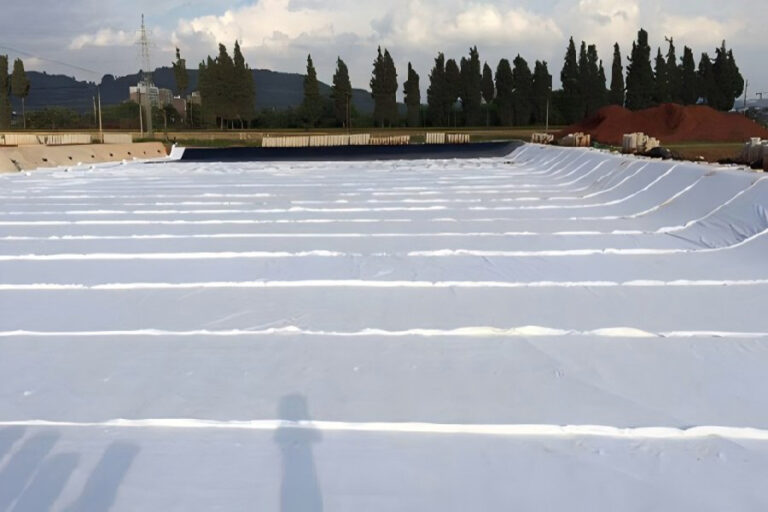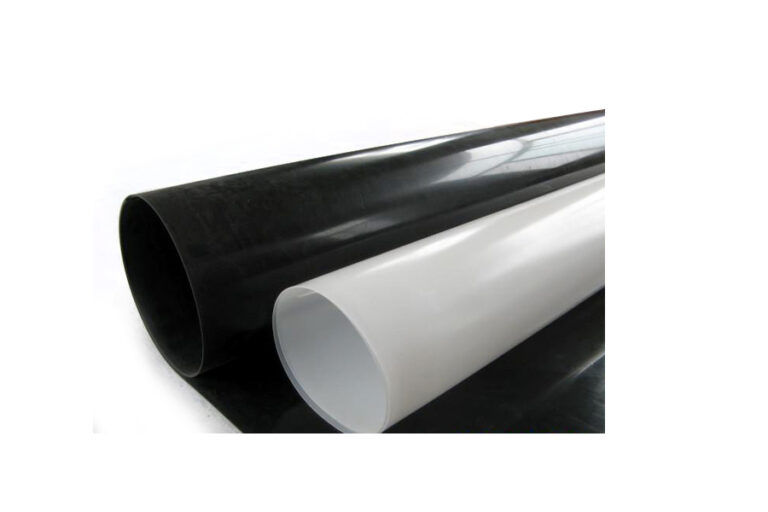

HDPE geomembrane has become one of the most widely used waterproofing materials in modern civil engineering. Thanks to its excellent impermeability, chemical resistance, and long service life, it is commonly installed in landfills, fish ponds, reservoirs, mining projects, wastewater treatment plants, and many other containment applications.
However, the quality of the material alone cannot guarantee a reliable waterproofing system. Careful preparation and proper installation are equally important. Even a premium HDPE geomembrane can be damaged or fail prematurely if construction details are overlooked. Below are the key installation practices recommended by Jiantong to help ensure long-term waterproof performance.
Prepare the Installation Surface Carefully
Every successful installation starts with a clean and stable foundation. Before laying the HDPE geomembrane, the subgrade should be leveled and thoroughly cleaned. Sharp materials hidden in the soil are one of the most common causes of membrane damage. Stones, broken concrete, bricks, metal scraps, exposed reinforcing bars, and other debris should all be removed. As a general rule, there should be no sharp objects within approximately 25 mm of the installation surface that could puncture the membrane after it is placed. A smooth foundation not only protects the geomembrane during installation but also helps reduce stress on the liner after the project is put into service.

Avoid Sharp Corners
One advantage of HDPE geomembrane is its flexibility. It can easily adapt to different structures, whether the project is a pond, tank, canal, or landfill.
Even so, sharp corners should be avoided whenever possible. Inside corners, outside corners, and right-angle edges should be rounded or chamfered before installation. This small adjustment helps prevent excessive stress on the membrane and lowers the risk of damage over time. Good detailing at the construction stage often determines how well the liner performs years later.
Weld the Membrane Without Delay
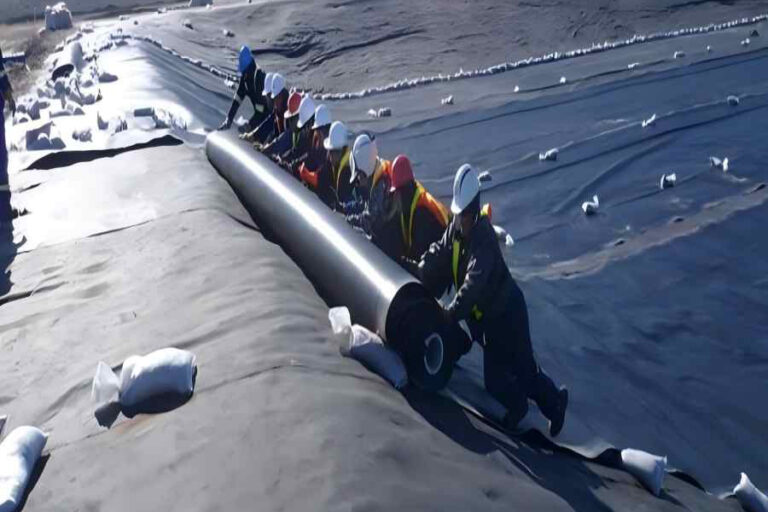
Once the geomembrane has been positioned correctly, welding should begin as soon as practical. Leaving loose sheets exposed for too long increases the chance of movement caused by wind or temperature changes, which may affect seam alignment. Long field seams are typically completed using automatic wedge welding equipment, while more complicated areas—such as pipe penetrations, corners, and repair sections—are usually welded with hot air or extrusion welding equipment. Every weld should be visually inspected, and where required, tested according to the project specifications before the next stage of construction begins.
Choose the Right Anchoring Method
A waterproofing system is only as reliable as its edge details. When the project is still in the design stage, embedded HDPE anchor profiles can be installed directly into concrete structures. After the geomembrane is placed, it is welded to these embedded anchors, creating a continuous waterproof barrier. For projects where embedded anchors are not available, other methods can also provide secure fixation. Brick retaining walls, anchor trenches, or mechanical fastening systems are commonly used depending on the site conditions. Selecting the appropriate anchoring method should always consider the structure, loading conditions, and long-term service environment.

Finish the Edge Sealing Properly
Mechanical fastening is often carried out using pressure bars together with expansion bolts. After the membrane has been fixed in place, the fastening area should be covered with an additional strip of HDPE geomembrane and fully welded to create a continuous waterproof seal. This final step is sometimes underestimated, yet it plays an important role in preventing water infiltration around the perimeter of the lining system.
Don’t Overlook Quality Inspection
Installation should never end once the welding is complete. Before the project is handed over, all seams should be checked carefully. Depending on the project requirements, air pressure testing, vacuum testing, or other non-destructive inspection methods may be used to verify seam quality. Any defects should be repaired immediately before the geomembrane is covered. Careful inspection during construction is far less expensive than repairing leaks after the facility begins operation.
Why Proper Installation Makes a Difference
Many waterproofing problems are caused by installation mistakes rather than by the geomembrane itself. Poor surface preparation, inadequate welding, damaged corners, or improper anchoring can all reduce the service life of the lining system. By following established installation procedures, contractors can significantly improve the overall reliability of the project while reducing future maintenance costs.
Jiantong HDPE Geomembrane Solutions
At Jiantong, we manufacture high-quality HDPE geomembranes for a wide range of waterproofing and environmental protection applications. Our products are designed for excellent impermeability, strong welding performance, and long-term durability under demanding site conditions.
Equally important, we encourage every project to follow proper installation practices from site preparation through final inspection. Combining quality materials with professional construction methods is the best way to achieve dependable seepage control for years to come.

Final Thoughts:
Installing an HDPE geomembrane is more than simply rolling out sheets of material. Surface preparation, corner treatment, welding, anchoring, and final sealing all contribute to the effectiveness of the waterproofing system.
By paying attention to each step of the installation process, contractors can improve liner performance, reduce the risk of leakage, and maximize the service life of the project. With quality products and practical engineering support, Jiantong continues to help customers build durable and reliable containment systems around the world.