
In landfills, water projects, chemical facilities, and aquaculture, reliable seepage control plays an important role. A poor containment system can lead to leakage, soil contamination, and costly maintenance. The right HDPE geomembrane can help reduce these risks. It creates a strong barrier between soil, water, and potentially harmful liquids. Jiantong Geosynthetics develops HDPE geomembrane solutions for demanding engineering and environmental applications.
Reliable HDPE Geomembrane Performance
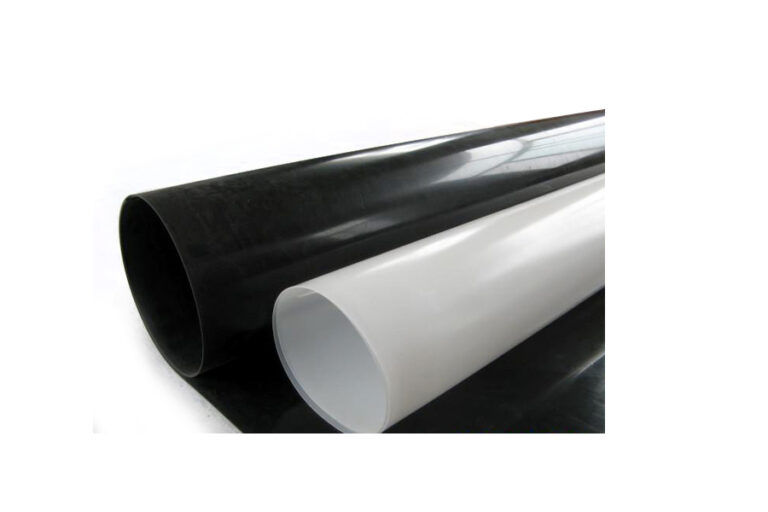
The quality of an HDPE geomembrane starts with the raw materials. Jiantong Geosynthetics uses specialized HDPE resin as the main material. The formulation also includes carbon black masterbatch and additives for UV and oxidation resistance. Advanced extrusion technology helps produce sheets with consistent thickness and stable physical properties. The material also offers good flexibility and aging resistance. This allows the HDPE geomembrane liner to handle ground settlement and soil movement more effectively. HDPE geomembrane also provides low permeability, high mechanical strength, and good chemical resistance. It can resist root penetration and maintain its structure in demanding environments. These properties make the material suitable for both underground and exposed applications. It can also provide long-term protection against landfill leachate, industrial wastewater, and various chemical liquids.

HDPE Geomembrane for Different Applications
Every project has different requirements. A landfill needs strong resistance to complex leachate. A water reservoir needs stable performance during long-term water exposure. Chemical facilities require resistance to specific chemical substances. Jiantong Geosynthetics considers these differences when developing HDPE geomembrane solutions.
Landfill and Solid Waste Applications
Landfills need an effective barrier to control leachate. An HDPE geomembrane for landfill applications can help prevent liquids from migrating into surrounding soil and groundwater. Its low permeability and chemical resistance make it suitable for engineered landfill lining systems. The liner can also handle mechanical stress when engineers select the right thickness and installation method.
Tailings and Mining Projects
Tailings ponds can contain complex liquids and fine particles. They may also experience changes in ground conditions. An HDPE geomembrane liner can help control seepage in these environments. It creates a continuous barrier and supports the overall containment system.
Reservoirs and Landscape Ponds
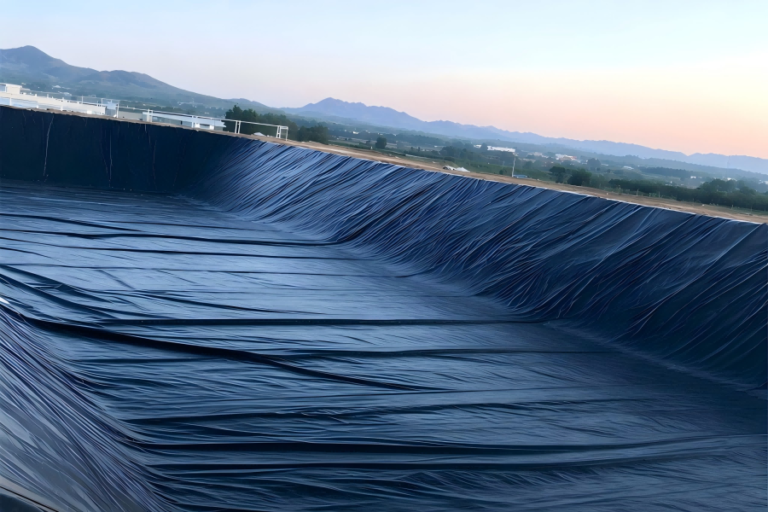
Water reservoirs, irrigation ponds, and artificial lakes all require reliable waterproofing. The liner must maintain its performance during long-term water exposure. HDPE geomembrane provides a low-permeability barrier for these applications. Its flexibility also allows the material to accommodate certain substrate movements.
Chemical and Industrial Facilities
Chemical plants and industrial wastewater facilities often handle aggressive liquids. These environments require a liner with suitable chemical resistance. A properly selected waterproof geomembrane can help isolate chemical liquids from the underlying soil. Engineers should always consider the specific chemical medium when selecting the material.
Aquaculture Applications
Fish and shrimp ponds need effective water retention and suitable lining materials. An HDPE liner can reduce seepage and help maintain a controlled pond environment. For aquaculture projects, material selection should also consider water quality and the specific operating conditions of the pond.
Tunnels and Underground Infrastructure
Tunnels and subway projects face different waterproofing challenges. Sharp materials, ground movement, and construction loads can create mechanical stress. An HDPE geomembrane liner can provide an additional waterproofing barrier. Its puncture and tear resistance can also support long-term protection when the project uses the appropriate specification.
Consistent Manufacturing for Reliable Quality
Wide-width HDPE geomembrane requires precise extrusion control. Uneven thickness can create weak points in a waterproofing system. Jiantong Geosynthetics monitors key production parameters throughout the manufacturing process. The company also checks incoming raw materials before production begins. Quality inspections cover important properties such as tensile strength, permeability, and aging resistance. These checks help maintain consistent product performance across different production batches. For customers, consistent manufacturing makes material selection easier. It also helps support project quality requirements and installation performance.
Proper Installation Protects the Waterproofing System
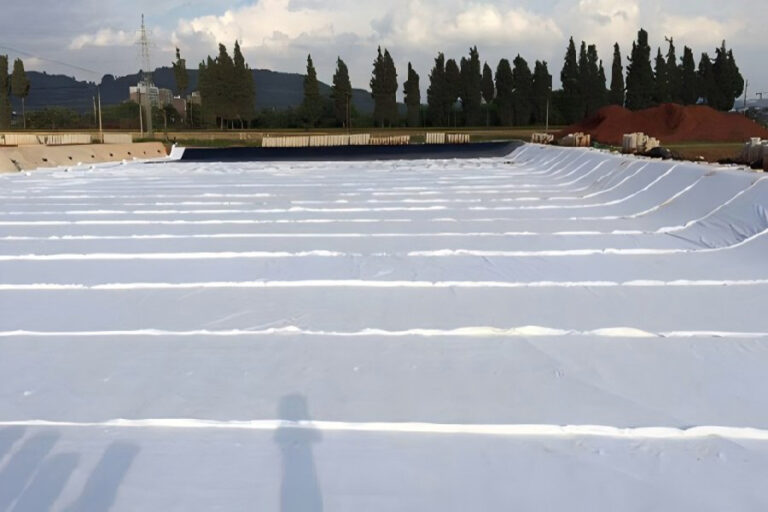
Good material alone does not guarantee a reliable containment system. Installation also plays a critical role. Common problems can come from poor substrate preparation, improper membrane deployment, or weak welding. Sharp objects under the liner can also cause punctures during construction. For this reason, Jiantong Geosynthetics provides technical support beyond material supply. The team can review project conditions and help customers select suitable HDPE geomembrane specifications. During installation, workers should prepare the substrate carefully. They should also control membrane placement, seam welding, seam inspection, and protective layer installation.
Proper welding deserves particular attention. A weak seam can affect the integrity of the entire waterproofing system. Careful inspection helps identify potential problems before the system enters service.
Choosing the Right HDPE Geomembrane Solution
Different industries continue to increase their requirements for waterproofing and environmental protection. Projects now need materials that match their actual operating conditions rather than a one-size-fits-all product. Jiantong Geosynthetics continues to improve its HDPE geomembrane formulation and extrusion process. The company also uses feedback from real project applications to improve its technical support. From landfill containment and water infrastructure to chemical facilities and aquaculture, HDPE geomembrane solutions can support a wide range of engineering needs. Selecting the right HDPE geomembrane liner at the planning stage can help reduce leakage risks. Proper installation and regular quality control can further improve system reliability.
Frequently Asked Questions
What is an HDPE geomembrane?
An HDPE geomembrane is a synthetic liner made mainly from high-density polyethylene. It provides a low-permeability barrier for waterproofing, seepage control, and containment applications.
Where can HDPE geomembrane be used?
HDPE geomembrane works well in landfills, reservoirs, ponds, aquaculture facilities, tailings areas, chemical plants, wastewater projects, tunnels, and other civil engineering applications.
How do I choose the right HDPE geomembrane?
Consider the site conditions, required thickness, chemical exposure, mechanical loads, UV exposure, temperature, and installation method. The expected service life also matters.
Why does installation matter?
Installation directly affects the performance of the waterproofing system. Proper substrate preparation, membrane placement, welding, and seam inspection can help prevent leakage and damage.