
Choosing an HDPE geomembrane manufacturer is not simply a matter of comparing prices. In applications such as reservoirs, landfills, mining facilities, and wastewater containment, geomembranes play a critical role in preventing leakage and protecting the surrounding environment. If material quality is inconsistent, the cost of repairs and project delays can quickly outweigh any initial savings.
The challenge is that not every supplier claiming to be a manufacturer operates its own production facility. Some purchase products from different factories and resell them under their own name, making batch consistency and quality control harder to verify.
So, how can buyers identify a reliable HDPE geomembrane manufacturer? The most useful approach is to look beyond marketing claims and examine several practical aspects of the business.
1. Verify Actual Manufacturing Capabilities
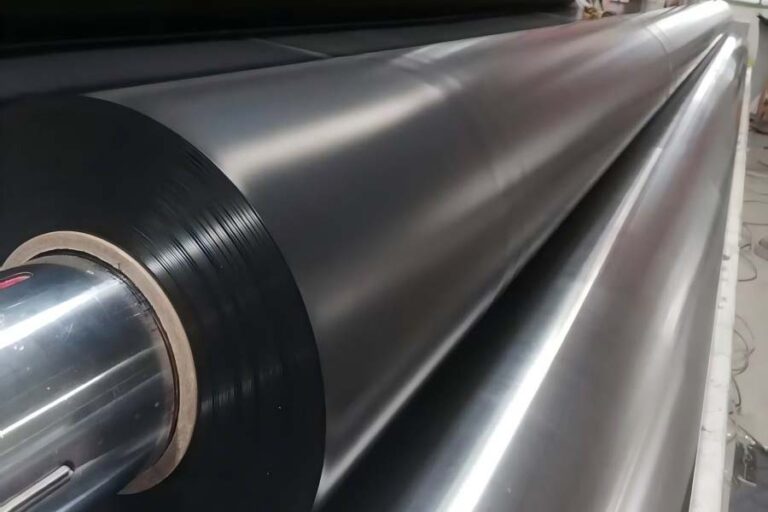
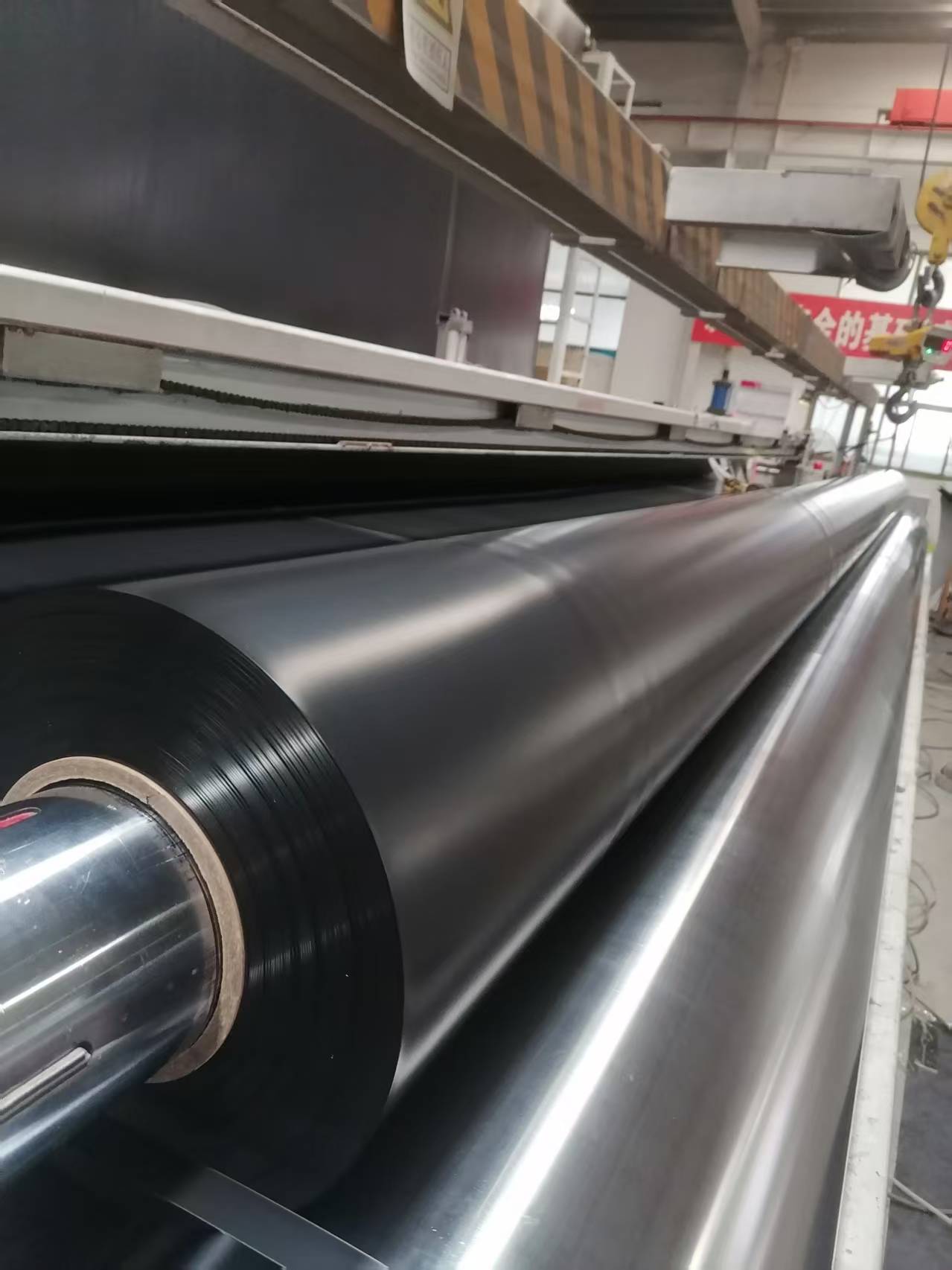
A manufacturer’s production capacity is one of the first things worth checking. Companies with their own extrusion lines have more direct control over raw material processing, production parameters, thickness, and finished-product consistency.
Buyers should confirm whether the factory can independently produce both smooth and textured HDPE geomembranes. It is also reasonable to request actual production videos, equipment details, or a factory visit rather than relying solely on catalog photos.
An experienced HDPE geomembrane manufacturer should be able to explain its production process and discuss customized specifications, including thickness, roll width, and length. This level of manufacturing control is particularly important for projects requiring large quantities or consistent materials across multiple deliveries.
2. Pay Attention to Raw Materials and Product Performance
Raw material selection directly affects geomembrane performance. Buyers should ask about the HDPE resin used in production and whether the supplier can provide relevant material information.
Virgin HDPE resin is commonly used in geomembrane manufacturing because it helps maintain more consistent material properties. However, raw material selection alone does not determine final quality. Processing conditions and finished-product testing are equally important.
When evaluating a product, pay attention to key indicators such as tensile strength, elongation at break, puncture resistance, and oxidative induction time (OIT). These properties help assess the geomembrane’s mechanical performance and resistance to aging.
Rather than accepting general statements about product quality, buyers should request technical data sheets and relevant test reports. For projects with strict requirements, independent testing of samples can provide additional assurance before bulk purchasing.
3. Check Whether Quality Inspection Is Traceable
A test report is only meaningful when it corresponds to the actual product being delivered. This is why buyers should look beyond whether a supplier can provide a document and ask how its inspection process works.
A reliable geomembrane factory should have procedures for checking incoming materials, monitoring production, and inspecting finished products. Thickness uniformity, mechanical properties, and batch consistency deserve particular attention.
Buyers should also confirm whether quality certificates and test reports can be linked to specific production batches. This makes material acceptance and project documentation easier to manage, especially when several shipments are involved. For large engineering projects, clear inspection records are an important part of supplier evaluation.
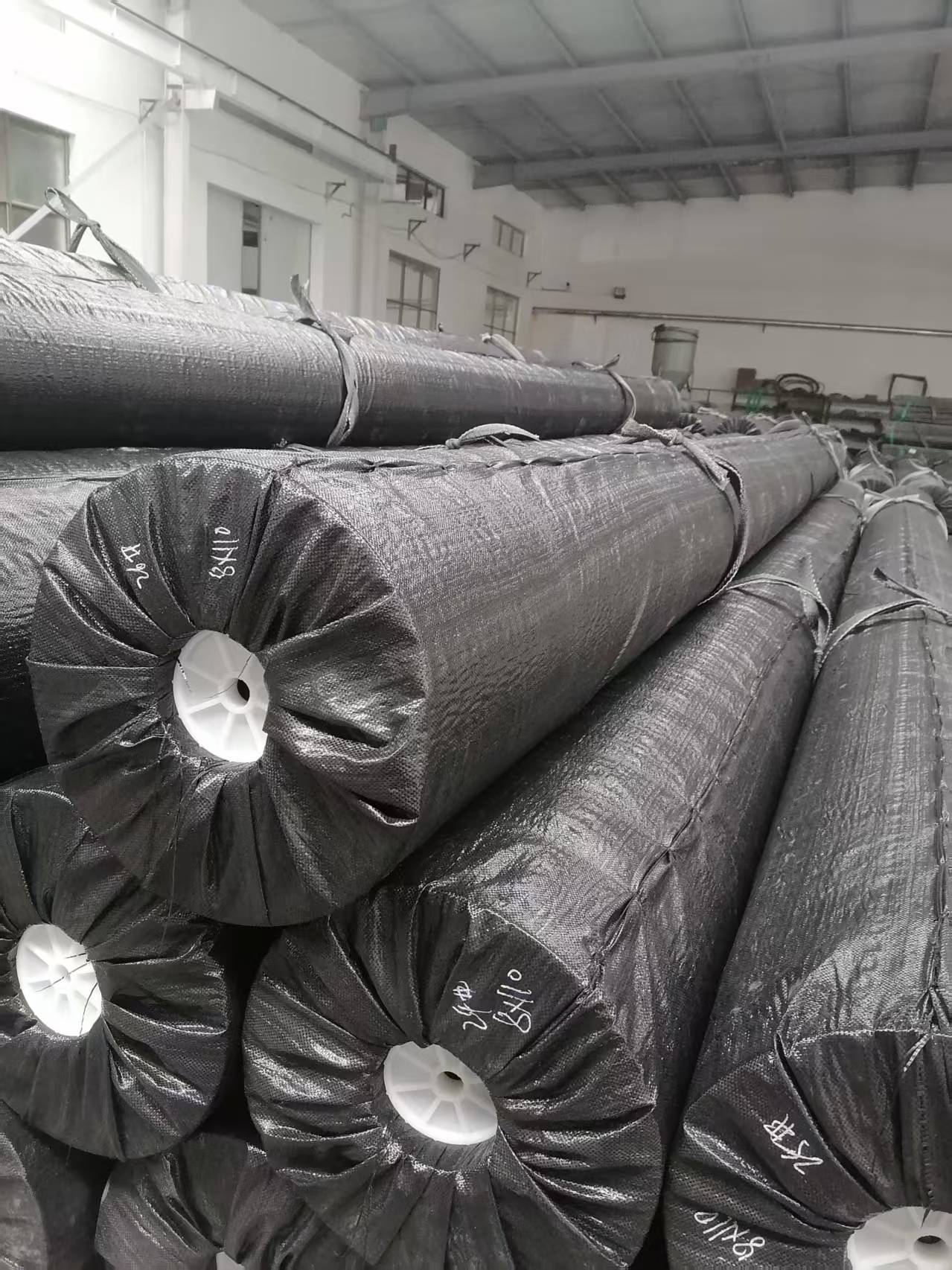
4. Evaluate Experience with Different Project Conditions
Different applications place different demands on geomembranes. A product suitable for an aquaculture pond may not automatically meet the requirements of a landfill or tailings facility.
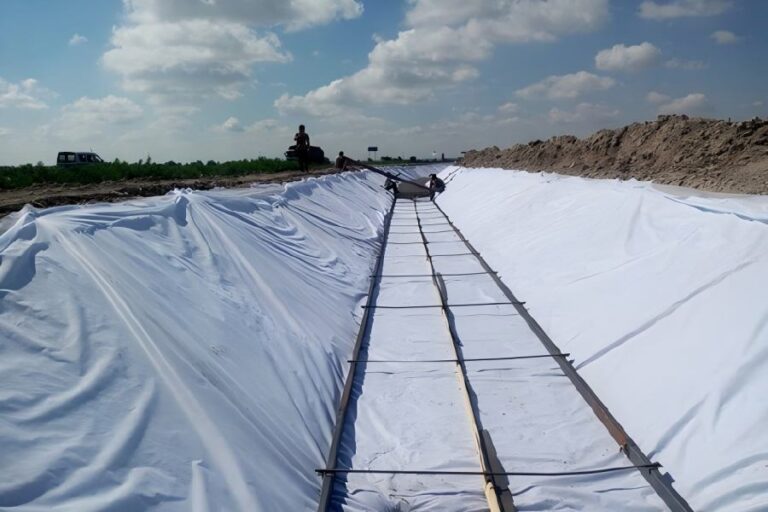
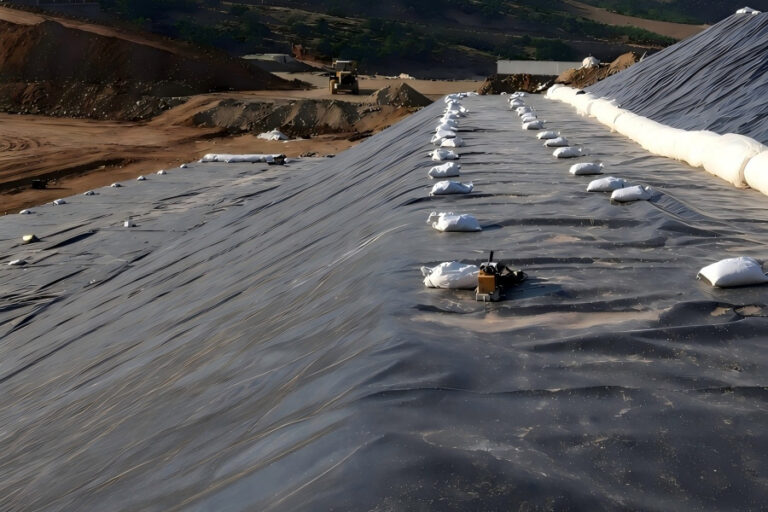
Reservoirs, fish ponds, and artificial lakes primarily require reliable water containment. Landfills and mining projects may involve heavier cover materials, uneven subgrades, and greater puncture risks. Industrial containment applications may also require consideration of chemical exposure.
A knowledgeable geomembrane manufacturer should understand these differences and ask about the actual site conditions before recommending a product.
Thickness and surface texture should be selected according to the engineering design. For example, textured geomembranes may be considered where additional interface friction is required, while smooth geomembranes are used in many conventional lining applications. The final choice should depend on project specifications rather than a general recommendation to purchase a thicker product.
5. Consider Supply Capacity and Technical Support
Production quality is only part of a successful procurement process. Manufacturers must also be able to deliver the required quantity within the project schedule.
Before placing an order, buyers should clarify production lead times, available inventory, customized roll dimensions, and packaging arrangements. Wider rolls may reduce field seams in certain applications, but transportation, site access, and installation equipment must also be considered.
Technical support is another factor worth discussing. Questions about welding temperature, seam overlap, anchoring, and protective layers can arise during installation. A supplier familiar with these practical issues can help the project team communicate more efficiently and address common material-related questions.
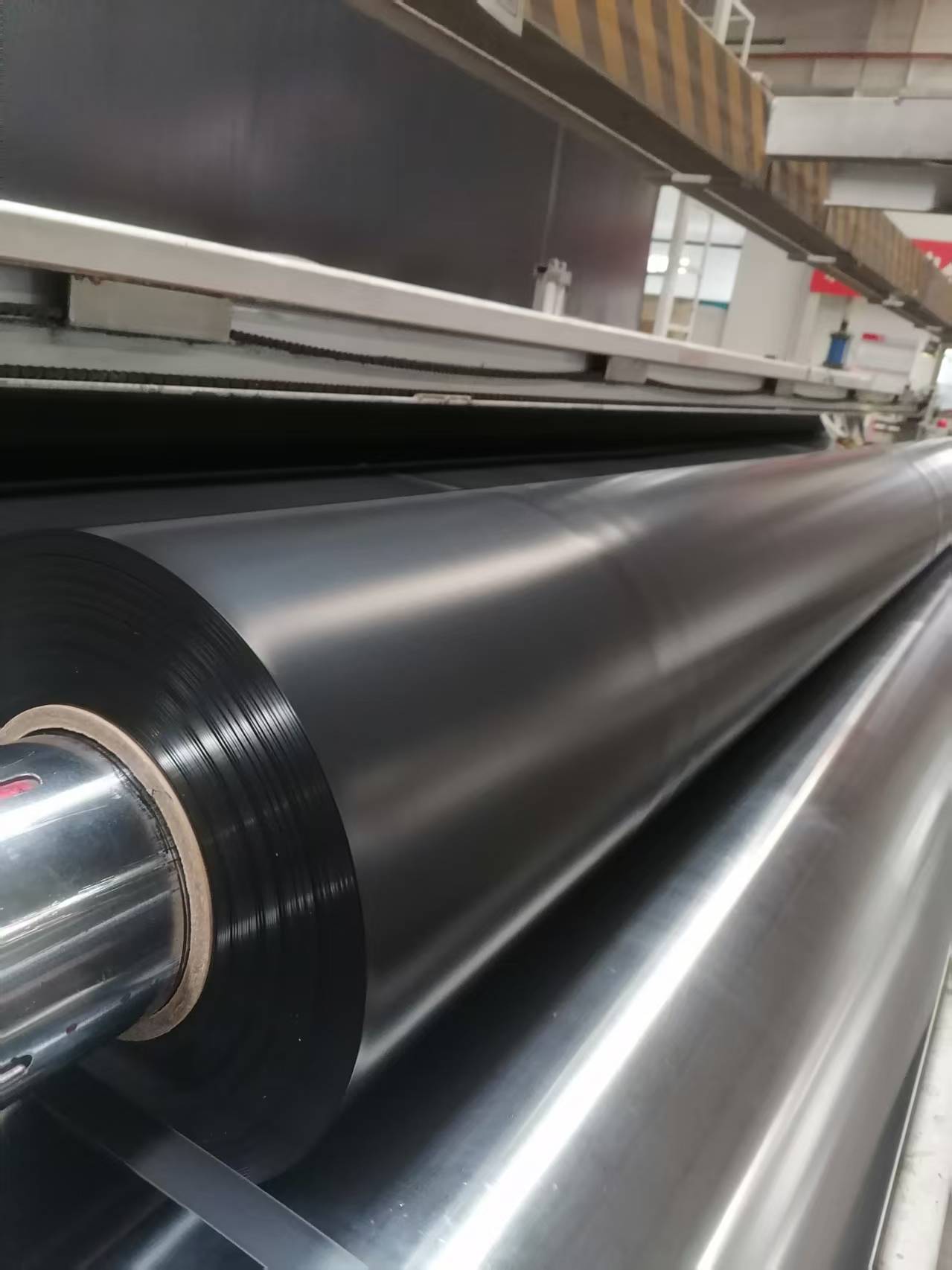
6. Why Consider Jiantong for HDPE Geomembrane Supply?
Jiantong is a source manufacturer with its own extrusion production lines for smooth and textured geomembranes. Its product range also includes composite geomembranes, geotextiles, drainage nets, and other geosynthetic materials, providing buyers with additional options for integrated project procurement.
Its production and inspection processes focus on raw material checks, thickness monitoring, and finished-product testing. Relevant quality documentation can be provided with product batches to support customer review and project acceptance.
Jiantong geomembranes have been supplied for applications including reservoir lining, river channel protection, solid waste landfills, and tailings containment. This experience provides a practical foundation for discussing product specifications in relation to site conditions, cover loads, and project drawings.
The company also supports customized roll widths and lengths, with technical communication available for material selection and installation-related questions. For buyers sourcing an HDPE geomembrane supplier, these capabilities are worth evaluating alongside product specifications, samples, and project requirements.
A Practical Checklist Before Choosing a Manufacturer
Before confirming a bulk order, buyers should:
- Verify that the supplier operates its own production lines.
- Request raw material information and product technical specifications.
- Check batch-related test reports and quality certificates.
- Confirm that the recommended thickness and surface type suit the project.
- Clarify production lead times, roll dimensions, and delivery arrangements.
- Agree on inspection standards and procedures for handling nonconforming products.
For critical containment projects, arranging third-party testing before bulk production can also help reduce procurement risks.
Conclusion
A reliable HDPE geomembrane manufacturer should offer more than competitive pricing. Production ownership, consistent raw materials, traceable quality inspection, engineering experience, and dependable supply arrangements all deserve careful consideration.
With its own extrusion production lines, a range of geosynthetic products, and experience across different containment applications, Jiantong offers buyers a practical option to evaluate for geomembrane projects. Comparing samples, reviewing technical documents, and discussing actual site conditions are sensible steps before making a final purchasing decision.