
Geomembrane systems play an important role in waterproofing and seepage control projects. However, each site presents different challenges. Ground movement, temperature changes, chemical exposure, and installation constraints can all affect membrane performance. Choosing the right geomembrane requires more than comparing product specifications. Project teams must consider site conditions, construction methods, and long-term operating requirements.
Jiantong provides TPO geomembrane solutions for various waterproofing and environmental protection applications. Thermoplastic polyolefin (TPO) combines flexibility with heat-weldable properties, helping contractors create continuous waterproofing layers. The material’s performance depends on its formulation, installation quality, and service environment. Selecting the right configuration therefore plays a key role in project planning.

How Wide-Width TPO Geomembranes Improve Installation Efficiency
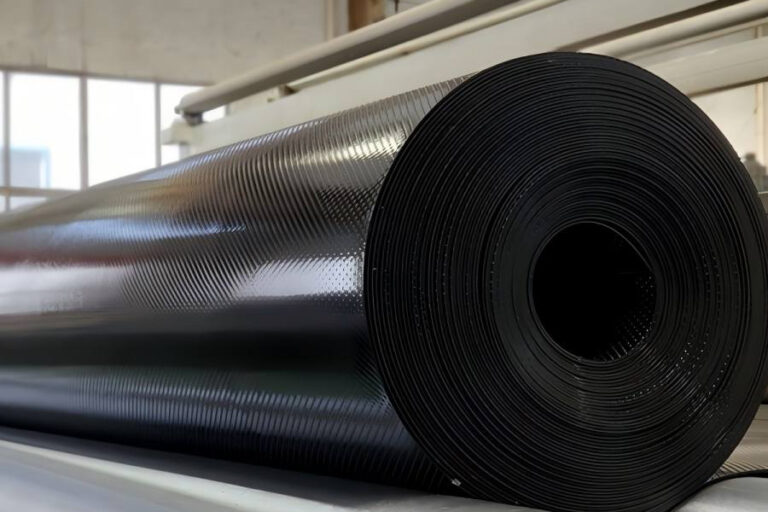
On large construction sites, membrane joints can affect both installation efficiency and waterproofing quality. Jiantong’s 6-meter-wide TPO geomembrane rolls help contractors cover larger areas with fewer seams. This wider format can reduce welding workload and simplify installation planning, especially on extensive surfaces.
Contractors still need to control seam quality throughout installation. They should prepare the substrate carefully, adjust welding parameters to suit the membrane, and inspect joints consistently. By matching membrane width to site dimensions and construction methods, project teams can streamline installation and manage potential risks more effectively.
Choosing the Right Geomembrane Configuration
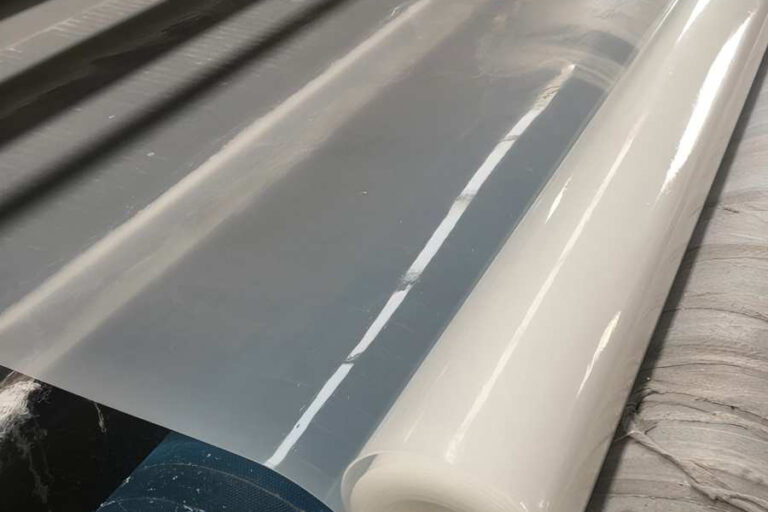
Different projects place different demands on geomembrane materials. Reinforced TPO geomembranes can provide additional dimensional stability for suitable applications, while homogeneous membranes offer an alternative structure for specific waterproofing requirements. Nonwoven-backed and self-adhesive options address different substrate and installation needs. For green roofs, root-resistant TPO geomembranes can help protect the waterproofing layer against root penetration when the system meets the project’s requirements.
Jiantong offers these configurations to help customers match product characteristics with site conditions. Project teams can also specify customized roll lengths to support material planning and reduce unnecessary handling. Before selecting a product, they should evaluate the substrate, exposure conditions, installation method, and expected service environment. This approach helps balance construction efficiency with long-term performance.

TPO Geomembrane Applications Across Multiple Industries
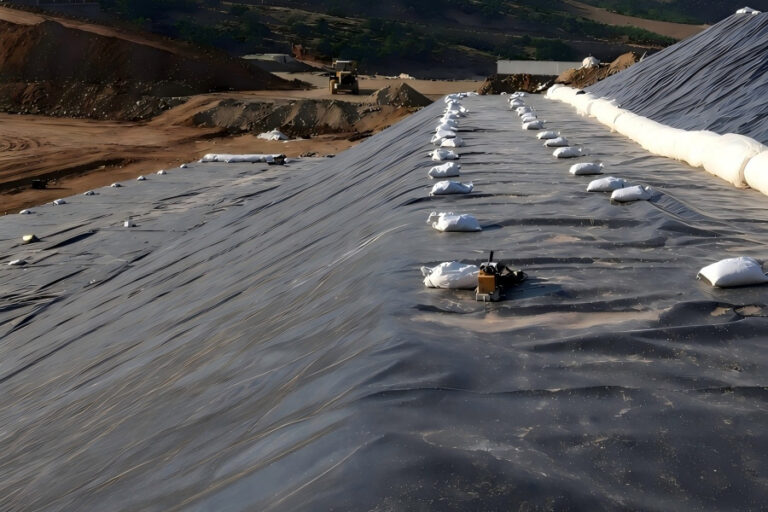
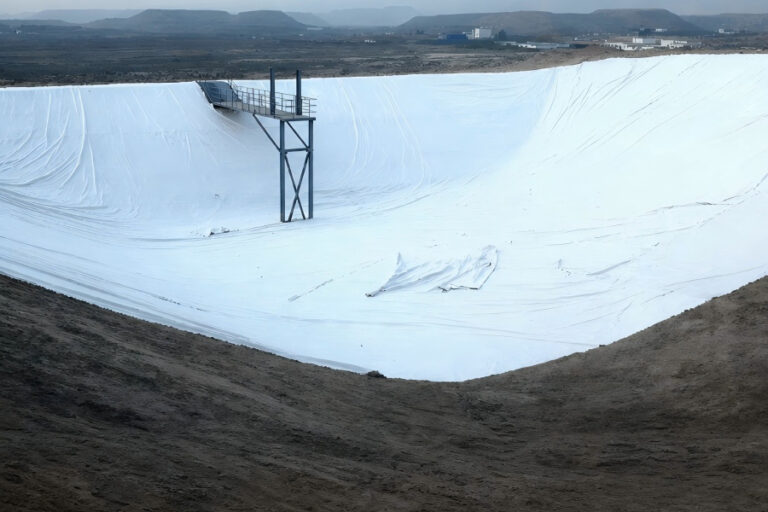
TPO geomembranes can serve a range of applications, including reservoirs, water channels, artificial lakes, waste containment areas, tunnels, and selected roofing systems. Each project requires a different technical assessment. Water conservancy projects often prioritize seepage control, while waste containment systems require careful evaluation of chemical compatibility. Roofing projects must also account for weather exposure, substrate conditions, drainage, and detailing around penetrations.
Jiantong encourages project teams to assess these factors before choosing a geomembrane specification. Membrane thickness, material configuration, welding conditions, protective layers, and applicable performance standards all influence the final system. Evaluating these requirements together helps customers select a TPO geomembrane that fits the intended application instead of relying on a one-size-fits-all solution.
Quality Control and Technical Support
Consistent material quality helps geomembrane systems deliver reliable performance. Manufacturers can support quality assurance through incoming raw-material inspections, production thickness monitoring, and final sample testing. Relevant tests may include tensile strength, tear resistance, permeability, and aging performance. Project teams should confirm test methods and acceptance criteria against the applicable standards and project specifications.
Installation practices also affect the finished system. Jiantong can support project planning through site-condition assessments, material-use planning, substrate preparation guidance, and advice on heat welding and protective layers. These steps help contractors address practical challenges before they affect construction progress. Ongoing technical consultation can also help project teams resolve installation questions as work proceeds.
Developing Geomembrane Solutions for Real Site Conditions
Every waterproofing project has its own combination of environmental, technical, and construction requirements. A reliable geomembrane solution must account for these factors from the outset. Wider TPO geomembrane rolls can reduce the number of joints, while different product configurations give project teams more flexibility when selecting materials for specific applications.
Jiantong combines TPO geomembrane options with project-oriented technical support to address diverse waterproofing and seepage control needs. By evaluating site conditions, choosing suitable materials, and planning installation carefully, project teams can build a more practical approach to long-term waterproofing performance.