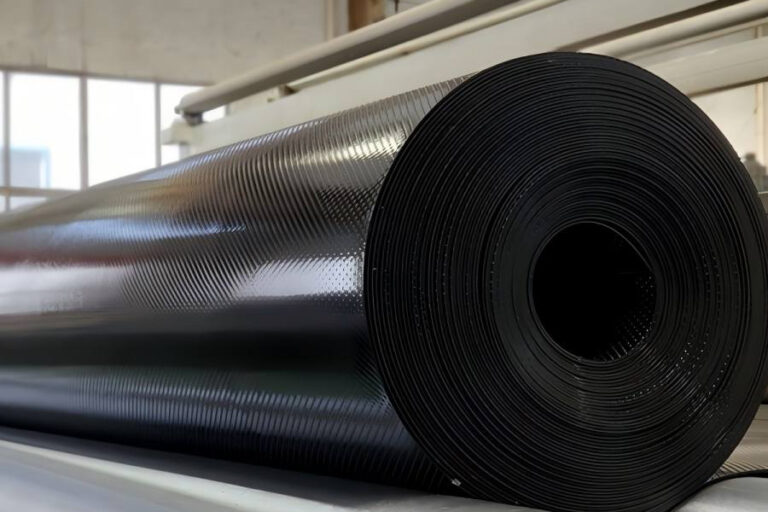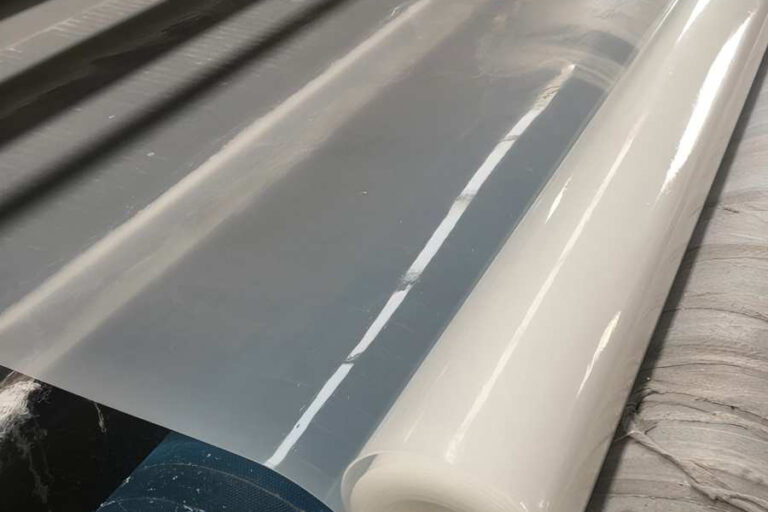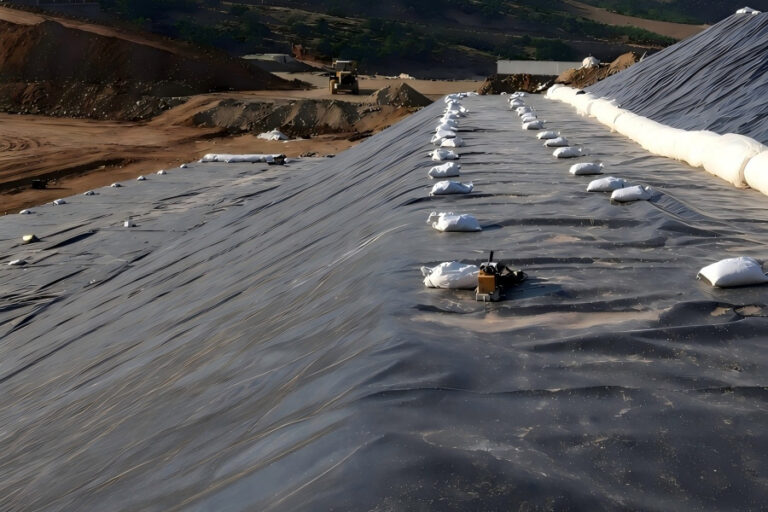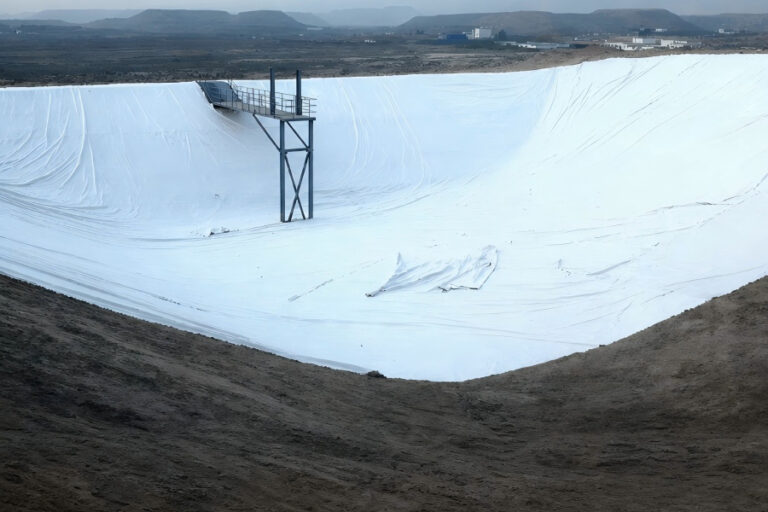

Geomembrane liners play a critical role in water conservation, solid waste containment, and ecological restoration projects. However, their long-term performance depends on more than material quality alone. Ground conditions, chemical exposure, temperature changes, and installation methods all affect the reliability of a geomembrane lining system.
When these factors are overlooked, projects may face premature material degradation, seam failure, or leakage that requires costly repairs. Jiantong understands the practical challenges of field applications and provides TPO geomembranes and related technical support to help engineers select suitable lining solutions for different site conditions.
1. Different Environments Require Different Geomembrane Properties
A geomembrane used in an exposed reservoir has different performance requirements from one installed in a landfill leachate pond or mining facility. Outdoor applications require resistance to ultraviolet radiation, rainfall, and temperature fluctuations. Waste containment projects must also consider the chemical composition of the liquids and materials in contact with the liner.
Selecting a geomembrane without evaluating these conditions can increase the risk of premature deterioration. Engineers should assess the expected service environment, chemical compatibility, and required service life before choosing a material.
TPO geomembranes, made from thermoplastic polyolefin, offer useful properties for applications that require weather resistance and flexibility without relying on traditional plasticizers. Their suitability still depends on the specific formulation, exposure conditions, and project requirements. Jiantong provides TPO geomembrane solutions for different engineering applications, helping project teams evaluate material specifications against actual site conditions.

2. Ground Conditions Affect Installation and Liner Integrity
Uneven ground, steep slopes, irregular excavations, and unstable subgrades can complicate geomembrane installation. Sharp stones, protrusions, and localized settlement may create puncture risks or place excessive stress on the liner.
For this reason, geomembrane lining design should address subgrade preparation, protective layers, anchoring details, panel layout, and seam placement. On slopes and irregular surfaces, installers must also manage wrinkles and avoid excessive tension during deployment.
TPO geomembranes can be joined through heat welding when the material and system are designed for that method. Proper welding procedures help create continuous seams, but performance depends on suitable equipment, controlled welding parameters, and qualified installation practices. By considering site geometry and installation constraints early, project teams can reduce material waste and limit avoidable construction defects.
3. Geomembrane Thickness and Specifications Must Match Project Requirements
A thicker geomembrane is not automatically the best choice for every application. The appropriate thickness and material properties depend on the design requirements, subgrade conditions, potential mechanical loads, chemical exposure, and protective measures.
For solid waste containment, designers may prioritize puncture resistance, seam integrity, and compatibility with other components of the lining system. Reservoirs, artificial lakes, and ecological restoration projects may require closer attention to water-level changes, slope stability, and long-term exposure conditions.
Engineers should define the required material properties according to applicable standards and project specifications rather than relying on a single specification for every site. Jiantong can customize TPO geomembrane thickness and roll width according to project requirements. These options help contractors plan panel layouts, manage installation, and reduce unnecessary material offcuts. Final specifications should always follow engineering calculations, verified product data, and applicable standards.
4. Seam Quality Is Essential to Geomembrane Performance
Even a high-quality geomembrane can fail if its seams or connection details are poorly installed. Incomplete welds, contaminated surfaces, inconsistent overlap, and improperly sealed penetrations can create potential leakage paths.
Heat welding joins compatible geomembrane surfaces under controlled conditions. Welding temperature, travel speed, overlap width, and surface cleanliness all influence seam quality. Installers should establish suitable parameters for the material and equipment, then perform the required seam inspections and integrity tests.
Large projects should account for seam layout, equipment access, field testing, and repair procedures during the design stage. This approach helps teams identify defects before the lining system enters service. Jiantong supports project-specific material selection and installation planning, helping contractors focus on critical welding requirements and construction quality.

5. Long-Term Reliability Depends on the Entire Lining System
Reliable containment requires more than selecting a suitable geomembrane. Material durability, subgrade preparation, seam integrity, protective layers, installation quality, and inspection procedures all contribute to long-term performance.
Jiantong applies quality control throughout its production process, including incoming raw material checks, manufacturing process monitoring, and finished-product sampling. Relevant properties, such as tensile strength, tear resistance, and impermeability, should be evaluated against the applicable product specifications and project standards.
On-site quality management remains equally important. Contractors should inspect the prepared subgrade, document welding operations, test seams as required, and protect the installed liner from construction damage. Projects exposed to settlement, aggressive media, or prolonged outdoor conditions may also need appropriate inspection and maintenance plans.
By combining TPO geomembrane products with application-focused technical support, Jiantong helps project teams address material selection and installation requirements across a range of lining applications.

Conclusion:
Geomembrane lining systems must be designed around site-specific conditions because every project presents different environmental, geological, chemical, and construction challenges. A material that performs well in one application may not meet the requirements of another.
From TPO geomembrane selection and subgrade preparation to heat-welded seams and quality inspections, each stage influences the integrity of the finished lining system. Jiantong combines geomembrane solutions with practical technical support to help water management, solid waste containment, and ecological restoration projects develop more suitable and reliable seepage control systems.